
Home sports physiotherapy

Why choose home physiotherapy?
An injury should not keep you away from the field for long. Our physiotherapists provide sports rehabilitation and progressive reconditioning directly in your home, so you can return with confidence and reduce the risk of recurrence.
Return to sport sooner
Avoid recurrence
Flexible scheduling
Treatments tailored to your profile

Sports injuries
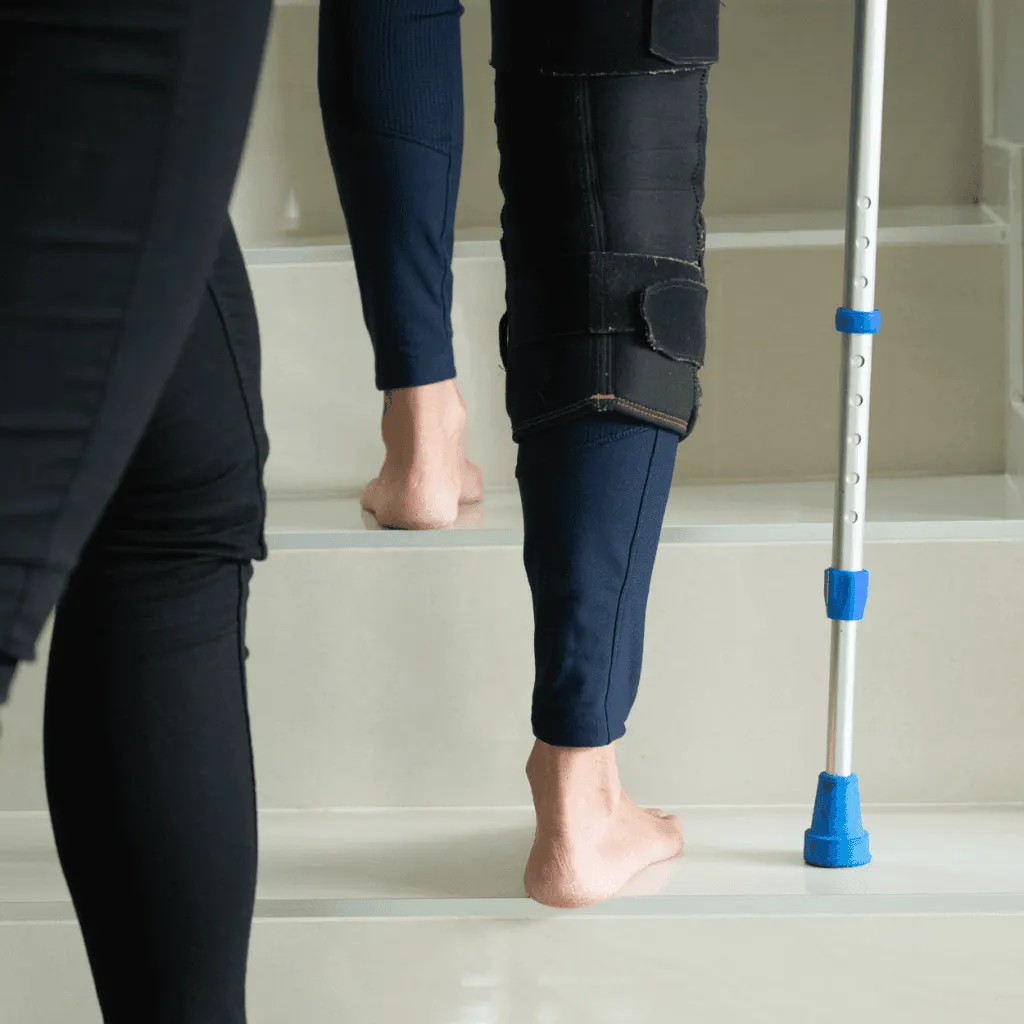
Home physiotherapy after an accident
Browse all our treatments
How does treatment work?
Online appointment booking
In-home assessment
Personalised treatment plan
Follow-up and progress
Resources & advice
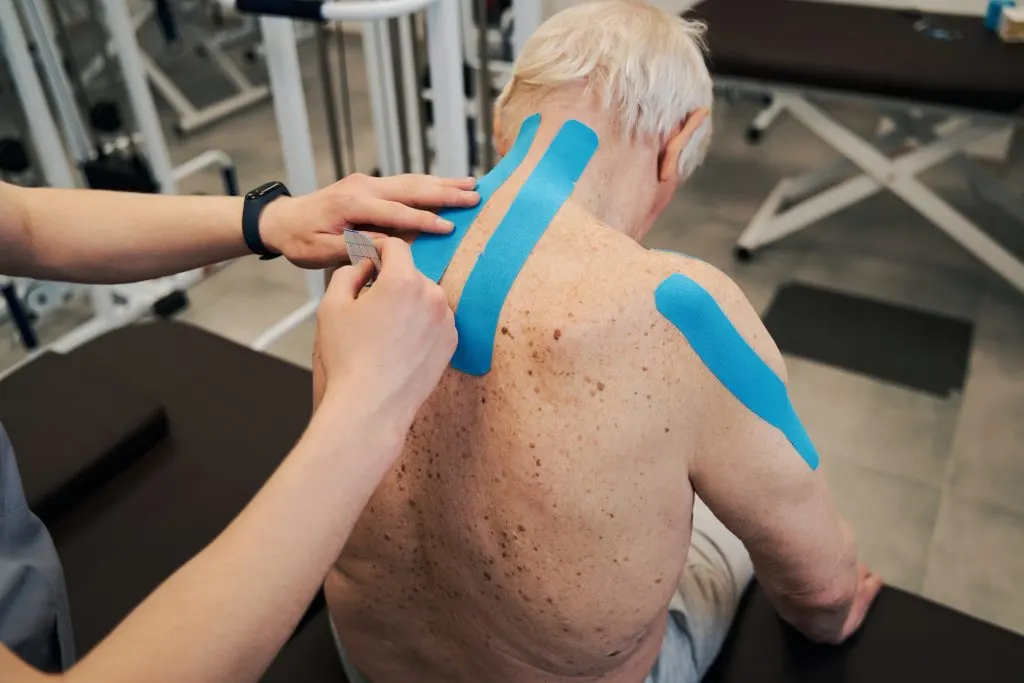
Kinesio Taping: A Comprehensive Guide
Browse all our articles
Questions you might have
How does home physiotherapy manage sports injuries?
Sports injuries—such as ankle sprains, knee ligament lesions, tendinopathy, muscle tears, or strains—can benefit from home care when movement is painful or when a schedule does not allow for regular clinic visits. Home physiotherapy offers a flexible and personalized response.
The initial assessment includes a functional analysis of the injury: strength testing, range of motion, palpation of the affected structures, and evaluation of sports-specific movements if necessary. Based on this, the physiotherapist develops a care plan integrating deep tissue massage, therapeutic stretching, joint mobilization, and eccentric or plyometric exercises depending on the stage of healing.
Complementary techniques such as kinesio taping, electrostimulation, or thermotherapy may complete the treatment. The final goal is a progressive, safe return to sport adapted to the patient’s level of practice, whether they are an amateur or a competitor.
What is kinesio taping, and how is it used during home sessions?
Kinesio taping uses special elastic tapes whose elasticity is close to that of the skin, allowing application without restricting movement. These tapes exert a slight traction on the skin, acting on cutaneous and fascial mechanoreceptors and producing several therapeutic effects.
The intended effects are multiple: muscular or joint support without rigidity, pain reduction by stimulating inhibitory pathways, improved proprioception, and facilitation of venous and lymphatic return. Kinesio taping is used for many indications: sprains, tendinopathies, muscle pain, joint instability, oedema, or postural correction.
During home sessions, the physiotherapist applies the tapes according to a precise protocol, tailored to the condition and treatment goals. The patient can keep the tape on for several days (generally three to five days) and shower as usual. This technique is part of a comprehensive care plan and can help prolong the effects of sessions between the therapist’s visits.
Is home physiotherapy suitable after a road accident or a serious fall?
A road accident, a fall, or a severe trauma can result in a combination of injuries — fractures, sprains, bruising, neck or lower back pain — that make moving around difficult or even risky. Home care is a safe and effective solution in these situations.
The physiotherapist first carries out a comprehensive assessment: joint, muscle, and neurological evaluation, along with an analysis of pain and functional mobility. A personalized program is then developed, combining manual techniques, progressive recovery exercises, and postural guidance for daily activities.
Treatment aims to reduce pain and inflammation, restore range of motion, and rebuild muscle strength. Special attention is given to postural compensations that could lead to new pain elsewhere in the body. The physiotherapist may also advise the patient and their loved ones on technical aids to put in place, such as canes, orthoses, or home layout adjustments.
Is home physiotherapy covered by basic insurance?
Basic insurance covers physiotherapy once a doctor has issued a prescription. After 9 sessions, an invoice is issued and sent directly to your insurance company.
The costs related to your physiotherapist’s travel to your home are covered by your basic insurance, provided the prescription includes the mention “at home.” Your health insurer settles the sessions after deducting your annual deductible and your co-payment.
If you have any uncertainty about your specific coverage, we recommend contacting your insurer before starting treatment, to avoid any unpleasant surprises.
How soon can I get a first appointment?
At Qlick and Care, fast access to care is a priority. As soon as you contact us — online or by phone at 022 512 22 22 for Geneva or 021 512 24 24 for the canton of Vaud — our team checks availability and offers you an appointment within 48 hours of your request.
This timeframe applies to both new requests and follow-up treatments. If your situation is urgent, such as acute pain or a recent hospital discharge, let us know when you call: we will give priority to the closest and most available therapist in your area.
Our network covers the entire cantons of Geneva and Vaud, allowing us to optimize routes and reduce wait times. You don’t need to travel anywhere: the physiotherapist comes directly to your home, at the agreed time.