
Qlick and Care opens its vestibular centre in Carouge
1227 Carouge · street entrance
Trams 12, 17, 18 · bus 11
Covered by LAMal
What is vestibular rehabilitation?
Does this sound like you?
Various disorders, specialized care
Positional vertigo (BPPV)
Vestibular neuritis
Instability & balance disorders
Ménière's disease
Vestibular migraine
Cervicogenic vertigo & post-concussion
Persistent Postural-Perceptual Dizziness (PPPD) & neuro-functional disorders
Age-related vertigo & fall risk
Motion sickness (kinetosis)
A centre equipped to objectify your vertigo
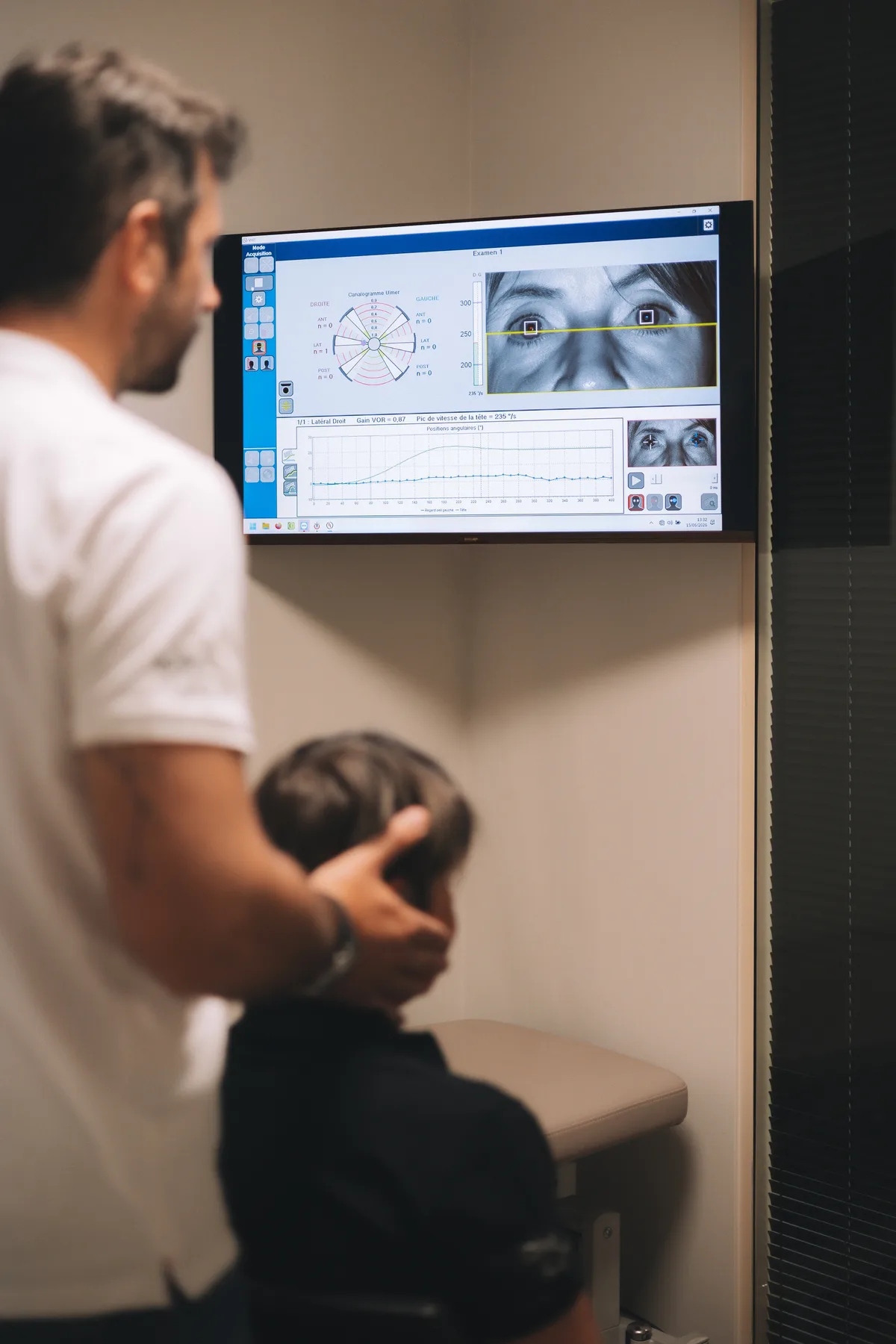
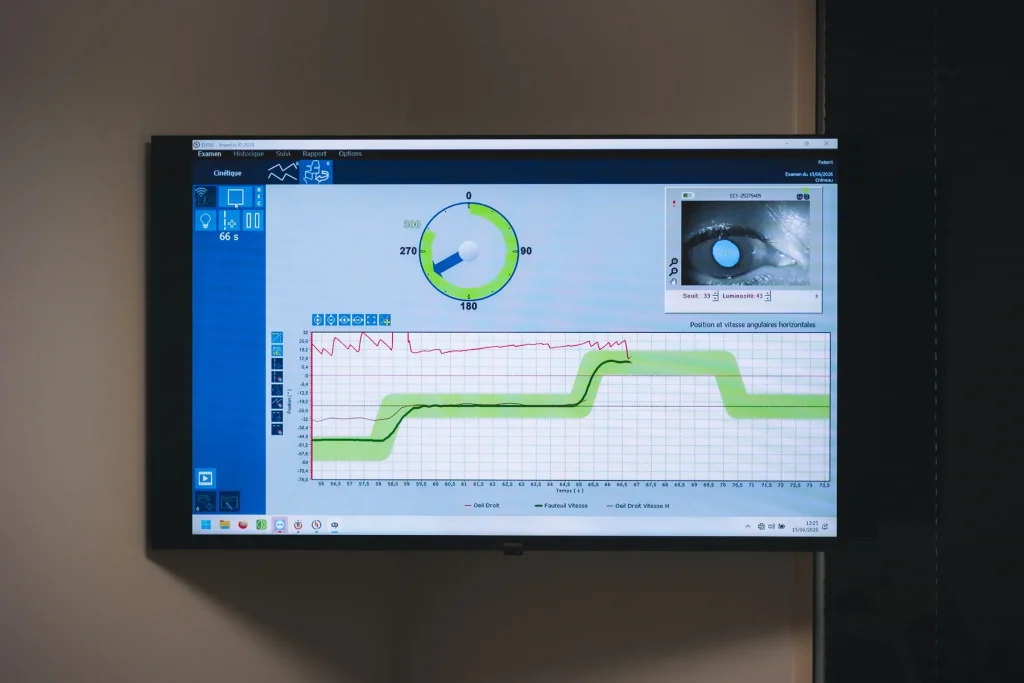
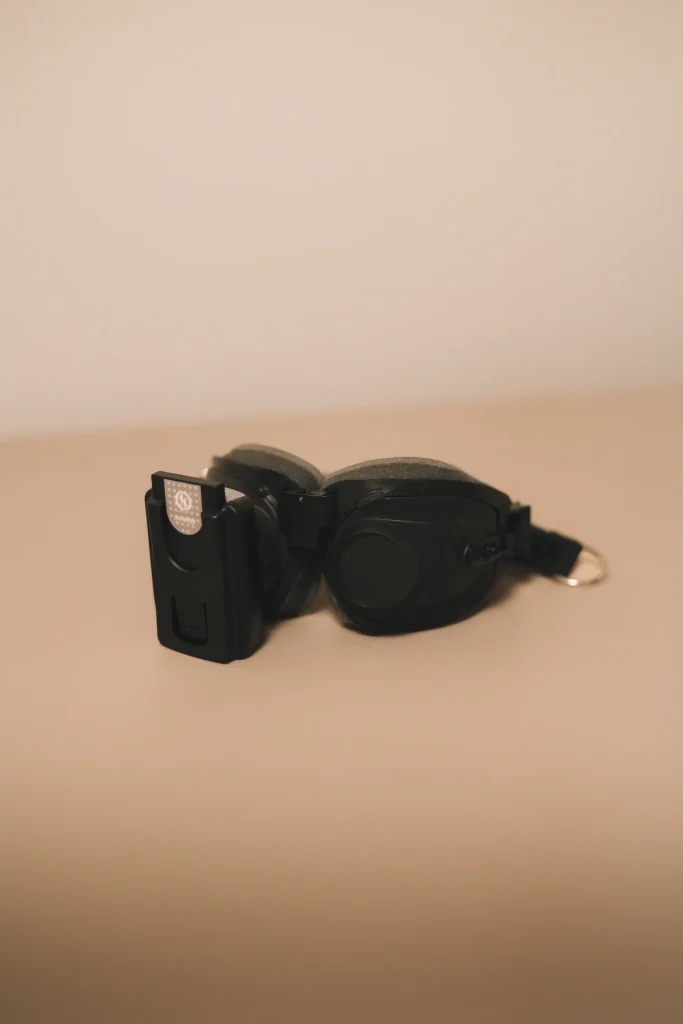
Videonystagmography (VNG)
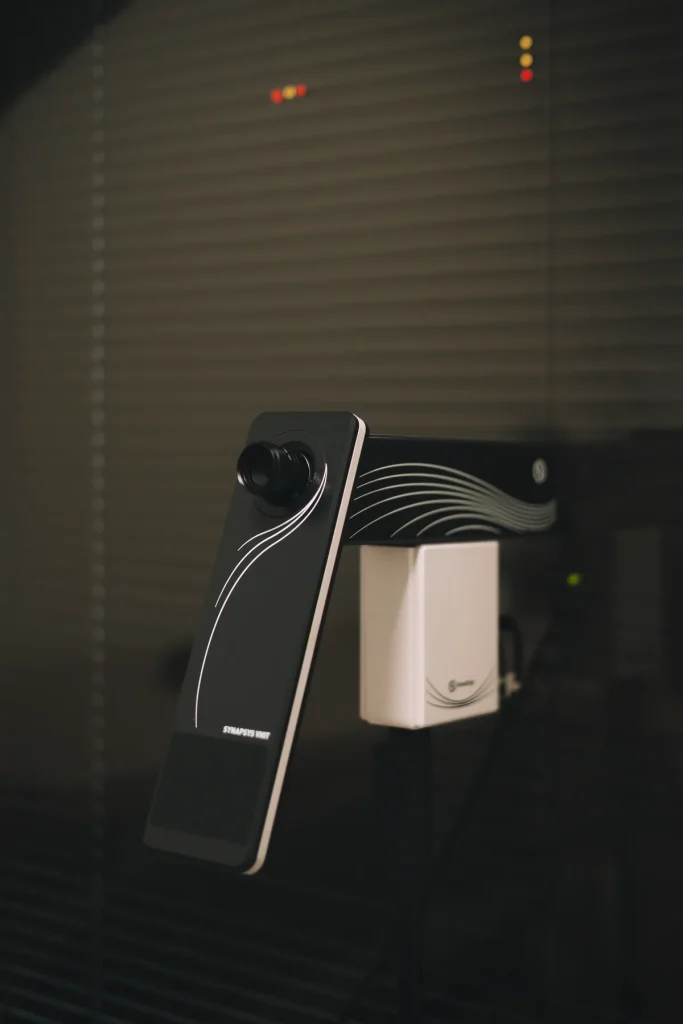
vHIT Test
Diagnostic & liberating maneuvers
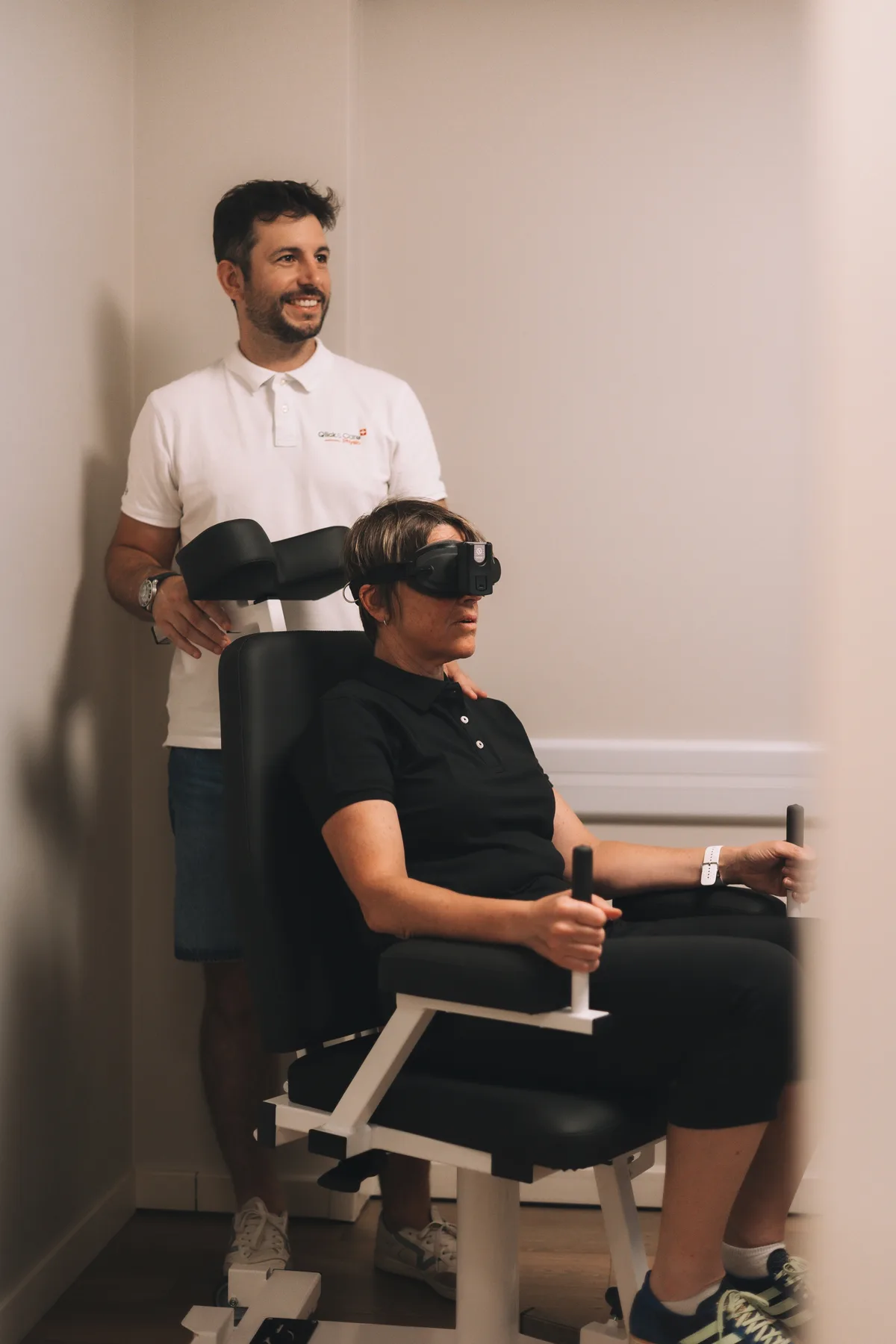
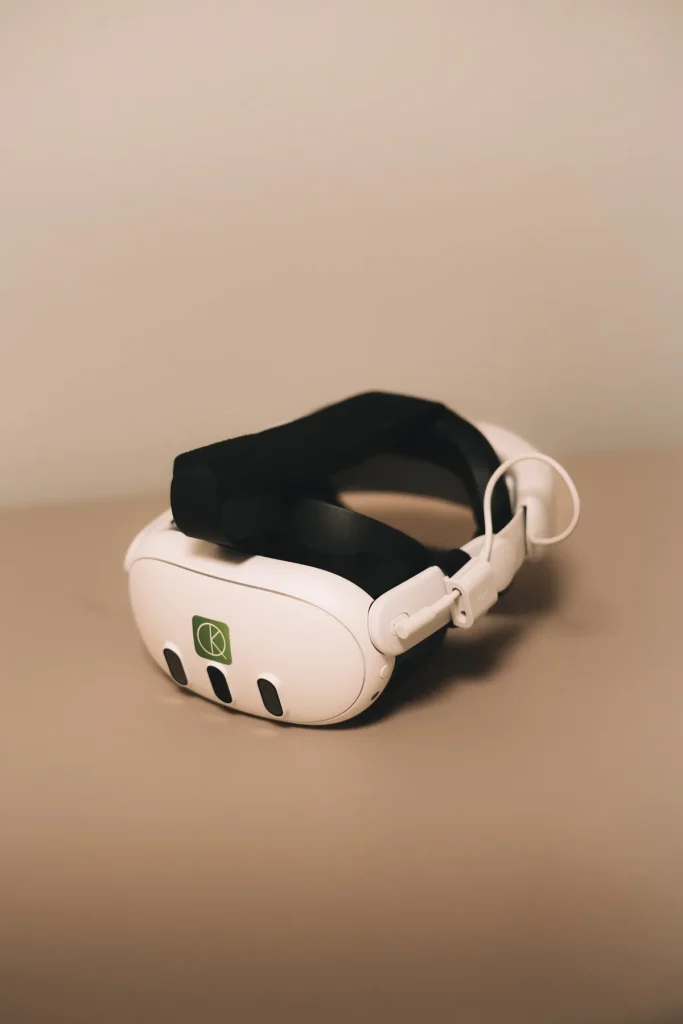
Virtual reality rehabilitation
Proprioception equipment
Personalized exercise sheets
How does treatment at the centre work?
Vestibular assessment — 45 minutes
Rehabilitation — 2 sessions of 30 min per week
Re-evaluation & regained autonomy
Where is it better to be treated?
At the Carouge centre
At your home
Five physiotherapists trained in vestibular rehabilitation
Thibaut Charles


Training & languages
Everything you need to know before coming
Rates & reimbursement
What we often hear — and the reality
"If I have vertigo, it must be crystals."
"You should avoid moving your head when you have vertigo."
"One maneuver is all it takes."
"The more vertigo I have during exercises, the more effective they are."
"After a maneuver for crystals, you must not move or sleep on one side for several days."
"Vertigo is normal with age; you have to live with it."
"To recover, it's better to stay at rest."
"If the crystals are put back in place, the problem will never return."
Your questions about vertigo and its rehabilitation
Why am I experiencing dizziness?
Dizziness is a symptom, not a disease. In most cases, it originates from the inner ear—displaced crystals, vestibular deficit, Ménière's disease—but it can also be of migraine, cervical, or central origin: only an assessment can determine the cause.
The word “dizziness” covers very different sensations: the room spinning, instability when walking, lightheadedness, or visual blurring as soon as one moves. These nuances matter: how the disorder is triggered, its duration, and accompanying symptoms already strongly point toward a diagnosis.
The most frequent causes we treat:
- BPPV (benign paroxysmal positional vertigo): short bouts of rotatory dizziness triggered by a change in position—lying down, turning over in bed, or lifting the head. These are the well-known “crystals” displaced in the inner ear canals.
- A vestibular deficit (vestibular neuritis, following infection or surgery): one inner ear sends less information to the brain, resulting in lasting instability and visual blurring during movement.
- Ménière’s disease: vertigo attacks associated with tinnitus and fluctuating hearing.
- Vestibular migraine: dizziness and hypersensitivity to movement, with or without headaches.
- Persistent Postural-Perceptual Dizziness (PPPD): a sensation of swaying that becomes long-term, often following an acute episode.
- More rarely: cervical origin, central (neurological) involvement, post-concussion effects, neuro-functional disorders, side effects of certain medications, or simply age-related changes in balance.
The assessment carried out at the Carouge centre serves precisely to distinguish between these causes. Oculomotor examination under videonystagmography, the vHIT test, and diagnostic maneuvers allow us to identify the affected ear—and often the specific canal—or to rule out a vestibular origin.
Certain conditions do not fall under rehabilitation: dizziness accompanied by speech difficulties, limb weakness, double vision, or an unusual and sudden headache requires immediate medical advice. When the assessment reveals signs outside our scope, we will refer you to your doctor, an ENT specialist, or a neurologist.
Can my dizziness really be treated with physiotherapy?
Yes, for a large proportion of vestibular disorders. Depending on the cause, rehabilitation repositions the crystals, helps the brain compensate for an underperforming inner ear, or gradually desensitizes you to movement.
This is the most common question at the centre, particularly when symptoms have lasted for several weeks or months. Vestibular rehabilitation is not a comfort treatment: it is a validated form of care that works through three different mechanisms, depending on what the assessment reveals.
Repositioning maneuvers. When the diagnosis is BPPV, targeted maneuvers (Epley, Semont, barbecue roll… depending on the affected canal) move the otoconia to a location where they no longer trigger vertigo. The effect can be rapid, provided the diagnosis correctly identifies the ear and canal involved.
Vestibular compensation. When one inner ear is functioning less effectively, the brain can learn to rely more heavily on the other ear, on vision, and on the information coming from the feet and neck. This relearning does not happen spontaneously: it is stimulated through progressive, repeated exercises — gaze stabilization, walking with head movements, and increasingly challenging balance situations.
Habituation. In cases of chronic instability and movement hypersensitivity, graduated exposure to the situations that trigger symptoms gradually reduces the reaction, much like desensitizing an overly sensitive alarm.
An important point: how long you’ve had symptoms is not an obstacle. It is not uncommon for the centre to see patients who have been living with instability for a year or more, and for whom rehabilitation still proves beneficial. That said, not all dizziness falls within the scope of physiotherapy — it is the assessment’s role to determine this honestly, right from the first session.
How Many Vestibular Rehabilitation Sessions Will Be Needed?
This depends entirely on the underlying cause. BPPV can sometimes improve within one to three sessions, though it may take longer depending on the case; a vestibular deficit or chronic imbalance typically requires several weeks of rehabilitation.
We prefer not to promise a standard timeframe: two patients with the same diagnosis may progress very differently depending on their age, medical history, activity level, and how long they have experienced symptoms. What we can outline, however, is the framework of our approach.
The care pathway begins with a 45-minute assessment. This evaluation determines the treatment strategy and, with it, a realistic estimate that your physiotherapist will share with you at the end of the session. Follow-up care is then generally scheduled at a rate of two 30-minute sessions per week, a pace that best supports steady progress without overloading the system.
A few general benchmarks, though not a guarantee: typical BPPV may respond within one to three sessions, but certain forms—such as bilateral posterior canal, horizontal canal, or recurrent cases—require more time. A vestibular deficit following neuritis, chronic imbalance, or 3PD (PPPD) generally requires several weeks of rehabilitation, with measurable progress from session to session.
In practical terms, a physiotherapy prescription typically covers 9 sessions. If your condition requires further treatment, your physiotherapist will prepare a progress report for your doctor to renew the prescription—we will manage this communication on your behalf.
Is it normal to experience more dizziness during or after exercises?
Yes, a temporary increase in symptoms can occur during maneuvers or habituation exercises. What matters most is that this reaction remains controlled and subsides gradually.
This is probably the reaction that causes the most concern, yet it is an integral part of the treatment. A repositioning maneuver often triggers distinct dizziness or vertigo at the moment it is performed: this indicates that the otoconia are moving. Similarly, habituation exercises intentionally reproduce, in small doses, the very sensation you are trying to avoid.
What we monitor is therefore not the complete absence of symptoms, but their recovery curve: after a properly calibrated exercise, the sensation should decrease within a few minutes to tens of minutes, and you should return to your baseline level before the next exercise. Temporary fatigue or mild nausea in the hours following an initial session are also common.
Conversely, certain signs should prompt you to adjust the exercises or contact us: symptoms that remain intense for several hours, nausea that prevents you from eating, noticeably worsened unsteadiness the next day, or the onset of new symptoms (unusual headaches, visual or hearing disturbances). In such cases, the dosage is too high, and we will adjust it.
Finally, a common misconception should be cleared up: triggering severe dizziness does not accelerate recovery. Mild symptom provocation is beneficial; excess is counterproductive. The right exercise is one that you can perform consistently every day.
What can I do at home to speed up my recovery?
Stay active within defined parameters. Following your assessment, you will receive exercise sheets to complete daily: for most vestibular disorders, gradual exposure to movement—rather than rest—allows the brain to adapt.
Vestibular rehabilitation relies heavily on what takes place between sessions. Two 30-minute appointments per week are not enough on their own: short, regular daily repetitions drive adaptation. That is why each patient leaves the clinic with tailored exercise sheets that have been thoroughly explained and practiced with the therapist beforehand.
The most frequently asked questions and our general guidance:
- Should I avoid moving my head? Unless specific instructions are given following a repositioning maneuver, no. Avoidance tends to sustain symptoms rather than relieve them.
- Can I return to sports? Generally yes, progressively—starting with walking, then moving on to activities in stable environments before engaging in sports involving rapid changes of direction.
- Can I drive? As long as sudden bouts of vertigo may occur, no. Resuming driving should be discussed with your therapist and physician.
- Do I need to sleep in a specific position? After a successfully treated classic BPPV, this is generally not required. If specific guidelines apply to your situation, they will be given explicitly and for a limited duration.
Several everyday habits also promote compensation: maintaining adequate hydration, getting consistent sleep, limiting alcohol consumption, and—in cases of vestibular migraine—identifying triggers. Finally, if you fear falling, ensure your home is safe (night lighting, removing loose rugs, bathroom grab bars): the fear of falling significantly hinders recovery, and it can also be addressed in therapy.
How is the initial vestibular assessment conducted at the Carouge centre?
The first appointment lasts 45 minutes: a detailed consultation, an oculomotor examination using videonystagmography, a vHIT test, diagnostic maneuvers if necessary, followed by an evaluation of balance and gait.
The assessment is the cornerstone of your care: it distinguishes BPPV from vestibular hypofunction, vestibular migraine, or imbalance of another origin. It lasts 45 minutes and comprises four steps.
1. The consultation. How your dizziness or vertigo is triggered, how long it lasts, any accompanying symptoms (nausea, tinnitus, hearing loss, headaches), its impact on your daily life, your medical history, and your current treatments. This stage provides essential guidance for the rest of the assessment.
2. The oculomotor examination. Performed using videonystagmography (VNG): goggles fitted with an infrared camera record your eye movements in complete darkness, where the naked eye cannot see anything. This reveals the characteristic nystagmus associated with each condition.
3. Functional testing. The vHIT (video Head Impulse Test) measures the vestibulo-ocular reflex canal by canal and quantifies any potential deficit. If the medical history suggests BPPV, diagnostic maneuvers (Dix-Hallpike, roll test) are performed immediately—and the corresponding repositioning maneuver can be carried out right away.
4. Balance and gait. Postural tests, walking with head movements, simulated real-life scenarios using the centre’s proprioceptive equipment, and, where appropriate, chair-based virtual reality, which safely replicates visually complex environments.
At the end of the session, your physiotherapist explains the findings, the chosen treatment strategy, and the recommended appointment frequency. You leave with your initial exercise sheets. A clinical report is sent to your referring physician, and whenever warranted by your clinical presentation, we refer you for an ENT or neurological evaluation.
Do you need a medical prescription to consult the vestibular centre?
Yes, for coverage by LAMal: a medical prescription for physiotherapy is required. Without a prescription, a consultation remains possible at the private rate and entirely at your own expense.
In Switzerland, physiotherapy is a service that requires a prescription to be reimbursed by basic insurance. The vestibular centre in Carouge is no exception: with a valid prescription, your sessions are covered by LAMal under the usual rules, after deduction of your deductible and your 10% co-payment.
The prescription can be issued by any physician authorized to prescribe treatment: your family doctor, an ENT specialist, or a neurologist. It states the diagnosis and the number of sessions. If you would like to be seen at home rather than at the centre, make sure the prescription includes the mention “at home.”
Without a prescription, nothing prevents you from coming in: the assessment and sessions will then be billed at the private rate. Please note, however, that a prescription obtained afterward cannot retroactively cover sessions already completed. If treatment lasting several weeks is anticipated, it’s worth consulting your doctor before the first session.
Not sure who to turn to? Call us at 022 512 22 23: we’ll guide you to the right approach for your situation.
What are the rates at the vestibular centre without a prescription?
Without a prescription, the initial vestibular assessment is billed at CHF 110 and each follow-up session at CHF 80, with no travel surcharge since the consultation takes place at the centre. With a prescription, your sessions are covered by LAMal.
Two scenarios, very easy to tell apart.
With a medical prescription. Your sessions fall under basic health insurance. Your sessions are reimbursed by basic health insurance (LAMal) and Qlick and Care bills your health insurer directly for covered services; you remain responsible for your annual deductible until it is reached, and then the 10% co-payment.
Without a prescription. Sessions are not reimbursable and are billed at the private rate: CHF 110 for the initial vestibular assessment (45 minutes, including VNG, vHIT and diagnostic manoeuvres), then CHF 80 per 30-minute follow-up session. Unlike home care, no travel surcharge applies: you come to the centre.
Some supplementary insurance policies contribute to treatments without a prescription—coverage varies greatly from one contract to another, so calling your insurer before starting helps avoid unpleasant surprises.
Finally, if you are hesitating between the two options: for a treatment lasting several weeks, going through a prescription remains clearly more advantageous. We are telling you this frankly rather than letting you accumulate private sessions.
How do I get to the vestibular centre in Carouge?
The centre is located at rue Roi-Victor-Amé 7, 1227 Carouge, behind a door that opens directly onto the street and at ground level. Trams 12, 17, and 18 as well as bus 11 serve the Carouge-Marché stop, just a few minutes' walk away.
The exact address is rue Roi-Victor-Amé 7, 1227 Carouge. Entry is through a door opening onto the street: there is no courtyard to cross and no building intercom to look for.
Accessibility. The centre is at ground level, with no steps or stairs to navigate. This is something we care about: our patients often arrive feeling unsteady, sometimes accompanied, sometimes using a walking aid.
By public transport. Trams 12, 17, and 18 and bus 11 stop at Carouge-Marché, just a few minutes’ walk away. This is the route we recommend: since your dizziness can strike suddenly, it’s best to avoid driving.
By car. Street parking is limited in the Old Town of Carouge; we recommend using the public parking lots in the area. If someone is accompanying you, they can drop you off right at the entrance.
Hours. The centre is open Monday to Friday, from 8 AM to 7 PM. To book a first appointment, call 022 512 22 23 or use the online form.
Can I be treated at home instead of at the vestibular centre?
Yes. The main criterion is your ability to get around: if your prescription specifies home care, your physiotherapist will come to you. However, some of the centre's examinations cannot be carried out elsewhere.
Qlick and Care began as a home physiotherapy service, and this remains at the heart of what we do. We opened the Carouge centre in May 2026 for a specific reason: at home, we felt limited in the solutions we could offer and couldn’t address every situation. Certain examinations and equipment require a fixed location.
What favors the centre: the initial assessment, which involves videonystagmography and the vHIT; repositioning maneuvers, which are easier to perform on a specially designed table; balance training using proprioception equipment and virtual reality.
What favors home care: genuine difficulty getting around, a high risk of falling, a recent hospital discharge, or the benefit of working on balance within your everyday environment — your stairs, your hallway, your bathroom.
The two approaches can be combined: an initial assessment at the centre followed by home-based follow-up is a common arrangement, provided your prescription specifies home care. Wherever treatment takes place, we are committed to ensuring the same high quality of care.
What should I bring to my first appointment at the centre?
Your medical prescription, your insurance card, and a list of your current medications. Plan to wear comfortable clothing that allows you to move freely, and come accompanied if your dizziness is severe.
Three documents are all you need: your medical prescription (essential for coverage under the LAMal), your insurance card, and a list of your current medications. This last point is not a mere formality: several common treatments — anti-vertigo medications, sedatives, certain blood pressure medications — can affect the examination and its interpretation.
If you have previous reports (audiogram, MRI, ENT or neurologist’s letter), please bring them as well: they save time and help avoid redundant examinations.
Practical tip: wear comfortable clothing that allows you to move and lie down easily. Avoid heavy eye makeup on the day of the assessment — videonystagmography relies on tracking the pupil with an infrared camera.
Finally, if your dizziness is severe or unpredictable, come accompanied and consider using public transportation. The assessment includes maneuvers that can trigger intense dizziness in the moment, so it’s best not to have to drive right afterward.
How do I cancel or reschedule an appointment at the vestibular centre?
Please inform us at least 24 hours in advance, by phone on 022 512 22 23 or online. After this deadline, rescheduling is still possible, but fees may apply.
The free cancellation notice period is 24 hours before the appointment time. A call to 022 512 22 23 or an email is sufficient; our team will immediately offer you a new time slot.
This deadline is not an unnecessary administrative constraint: the centre’s time slots are reserved by name, with the corresponding equipment and therapist. A slot freed the day before can be offered to another patient on the waiting list; freed an hour before, it is lost.
After the 24-hour period, rescheduling is of course still possible, but fees may apply in accordance with the terms and conditions provided to you when you first book an appointment.
We understand that unexpected events happen, especially in the event of a health issue. If you are unable to attend for medical reasons, please let us know: each situation is reviewed individually.
A visit to the centre before you come

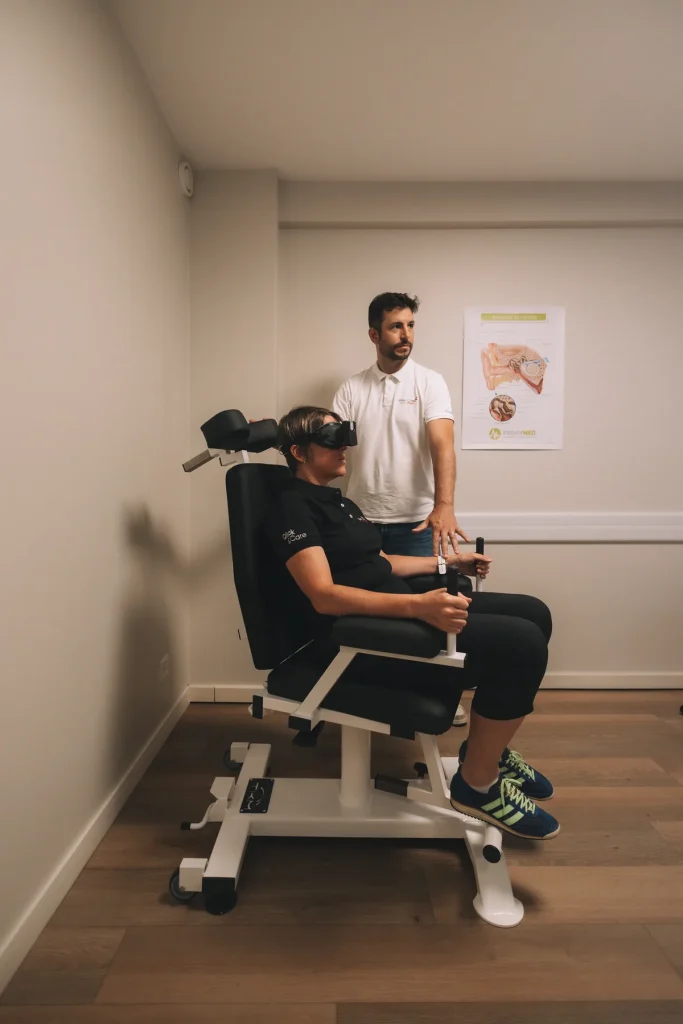
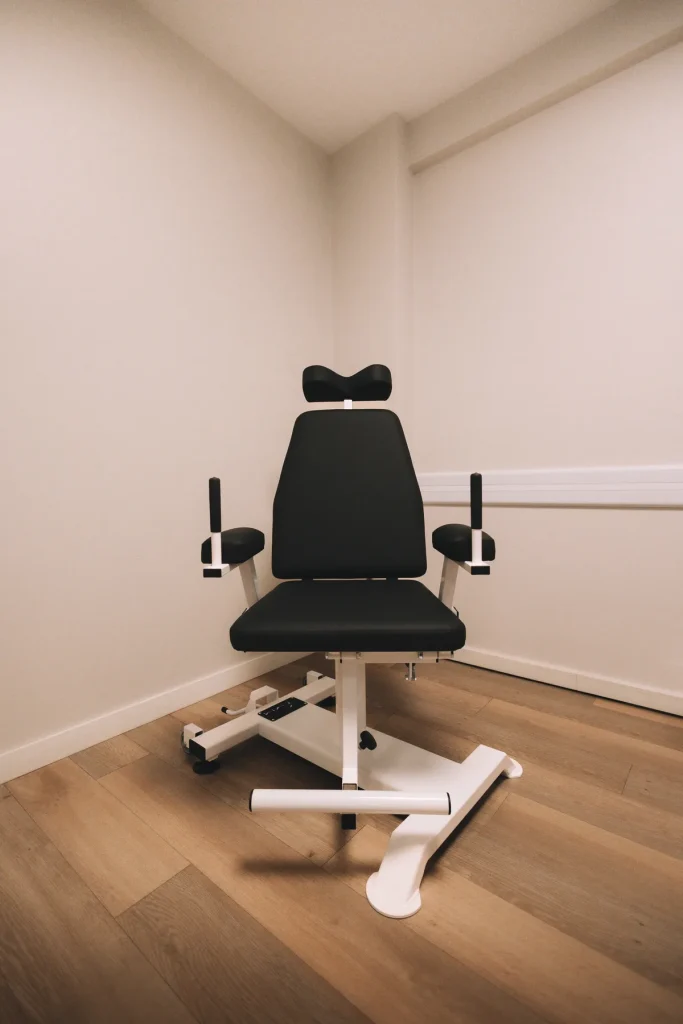
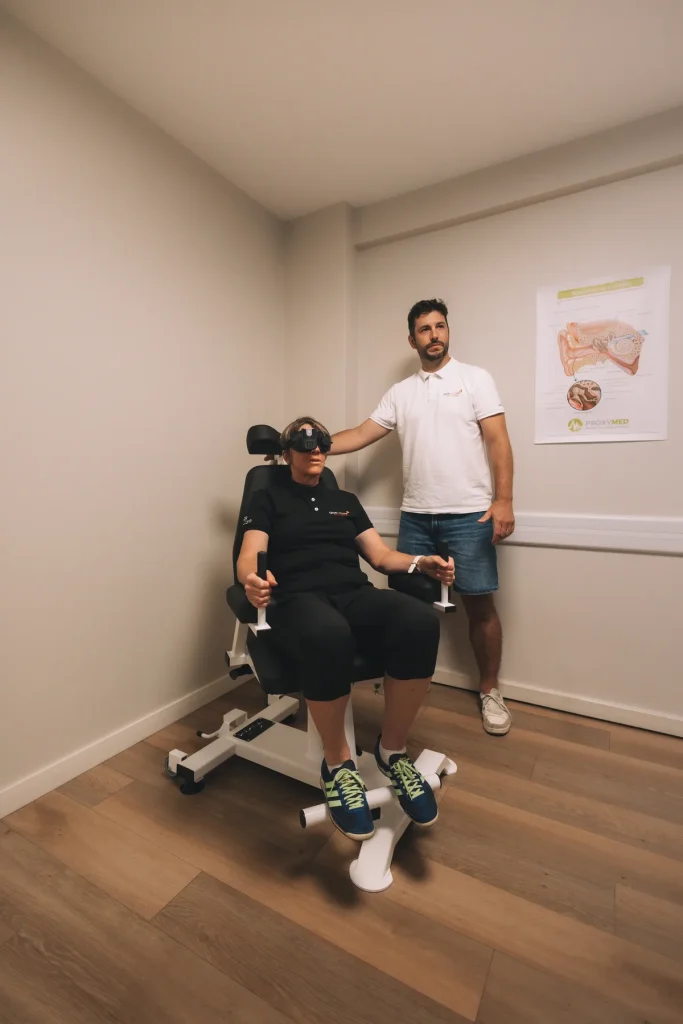
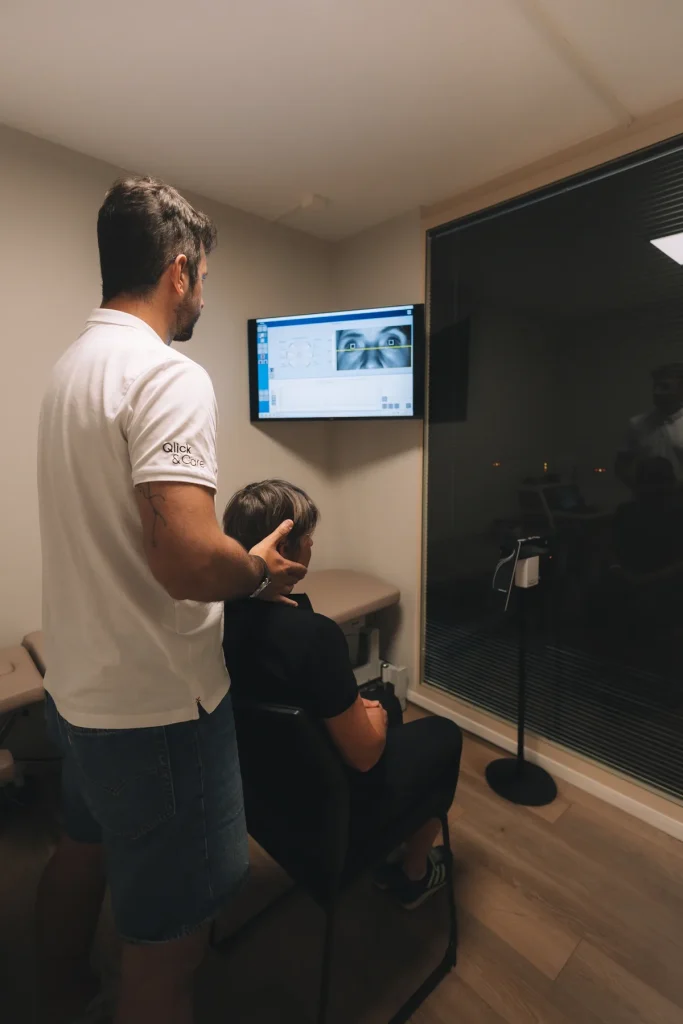
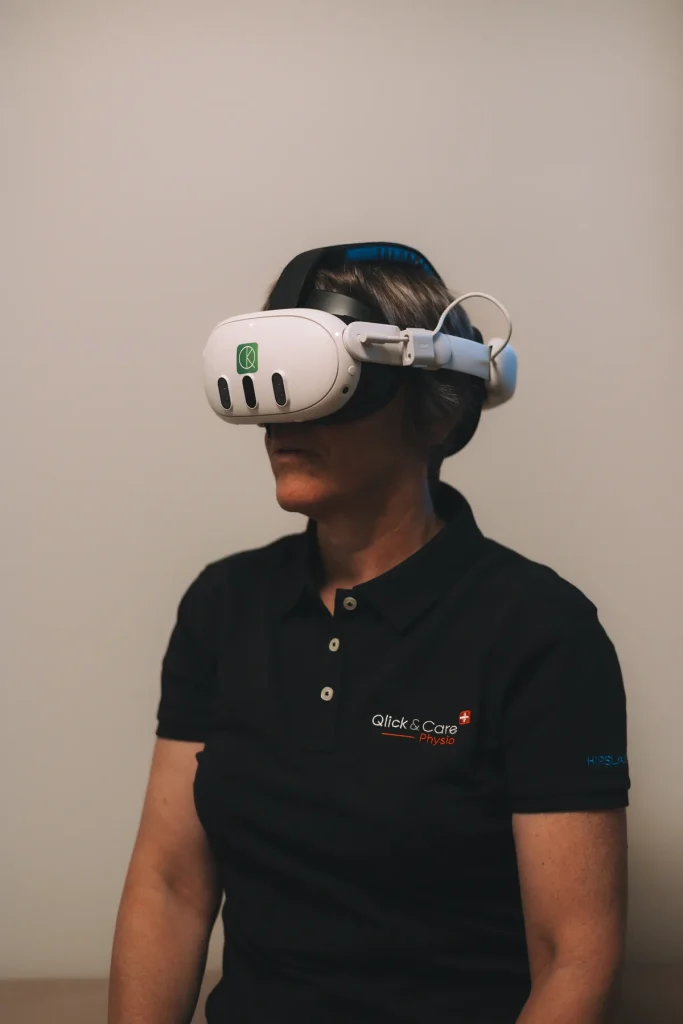
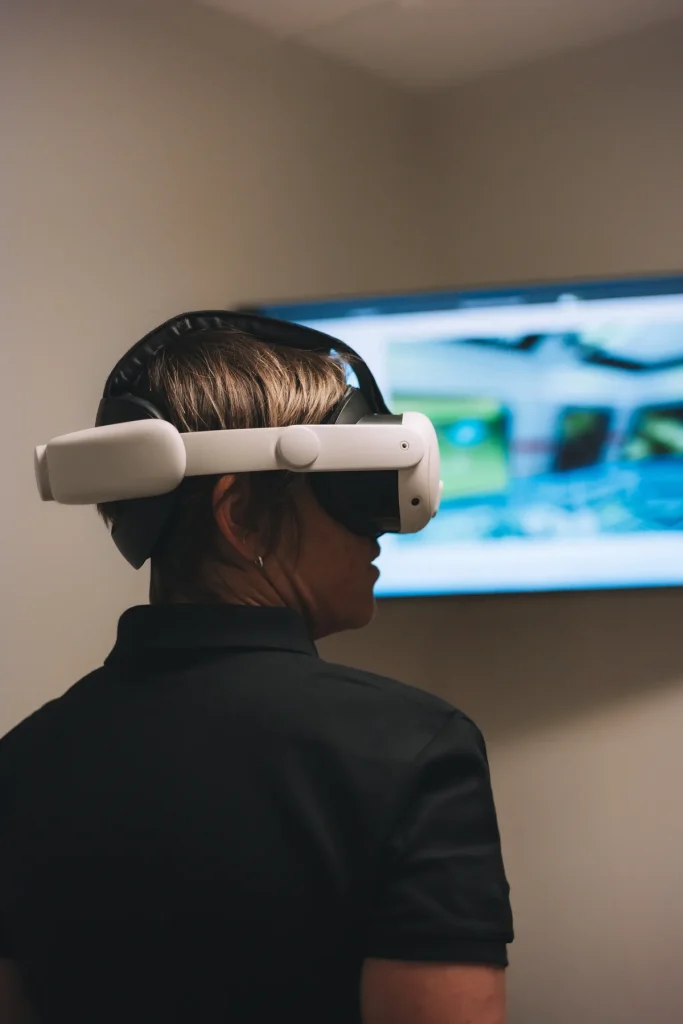
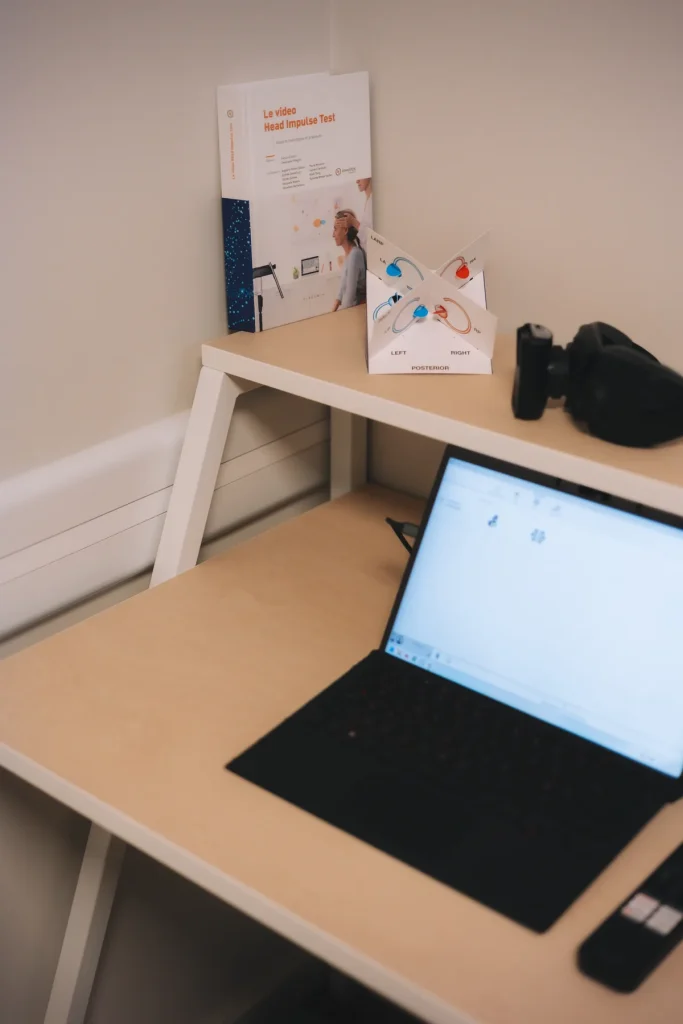
First appointment at the Carouge vestibular centre
Book an appointment in Carouge
Instrumented assessment, vestibular rehabilitation, and repositioning maneuvers in our Carouge vestibular centre, Monday to Friday from 8:00 AM to 7:00 PM. Our team will respond within 48 hours.