
Post-operative rehabilitation at home
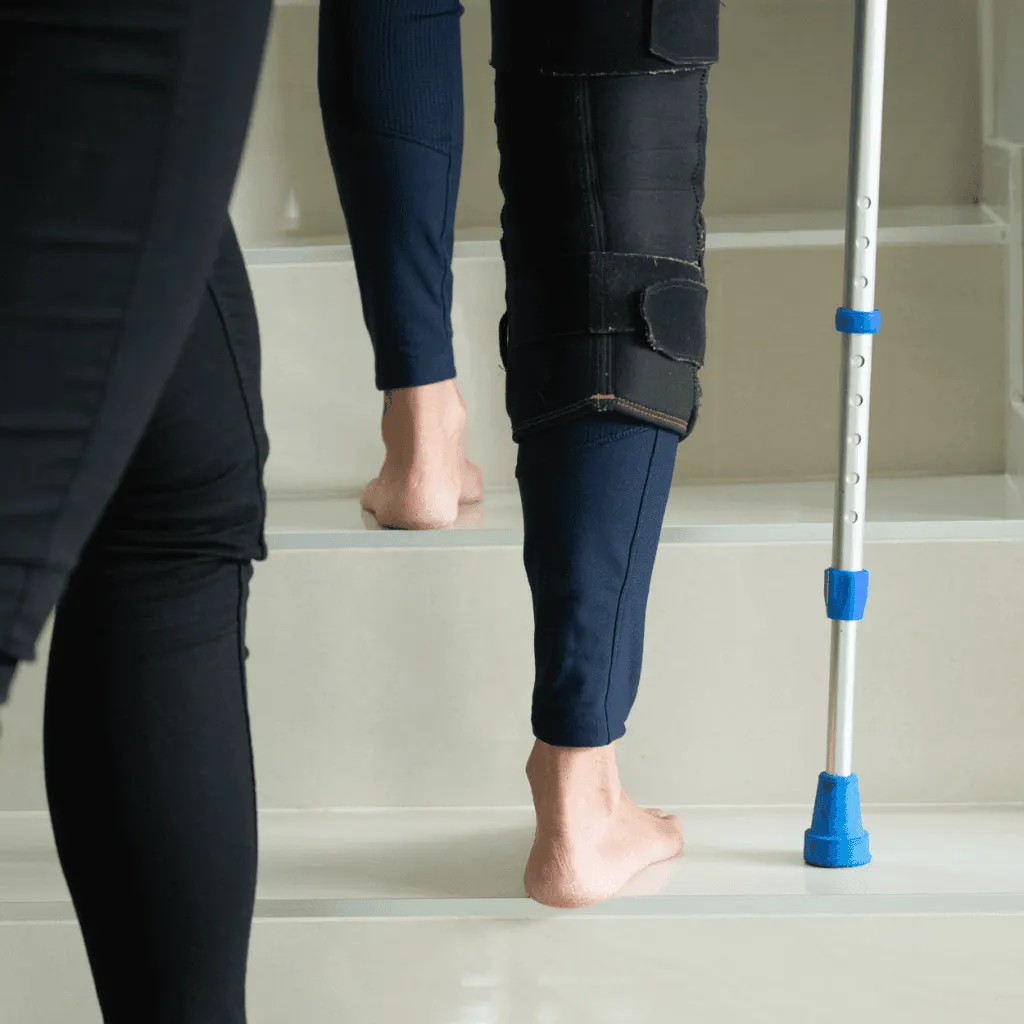
Why choose home physiotherapy?
Early rehabilitation is crucial following surgery. We take over as soon as you return home, with a protocol tailored to your procedure and coordinated with your surgeon.
Recover immediately upon discharge
Regain mobility and strength
In coordination with your surgeon
Treatments tailored to your profile
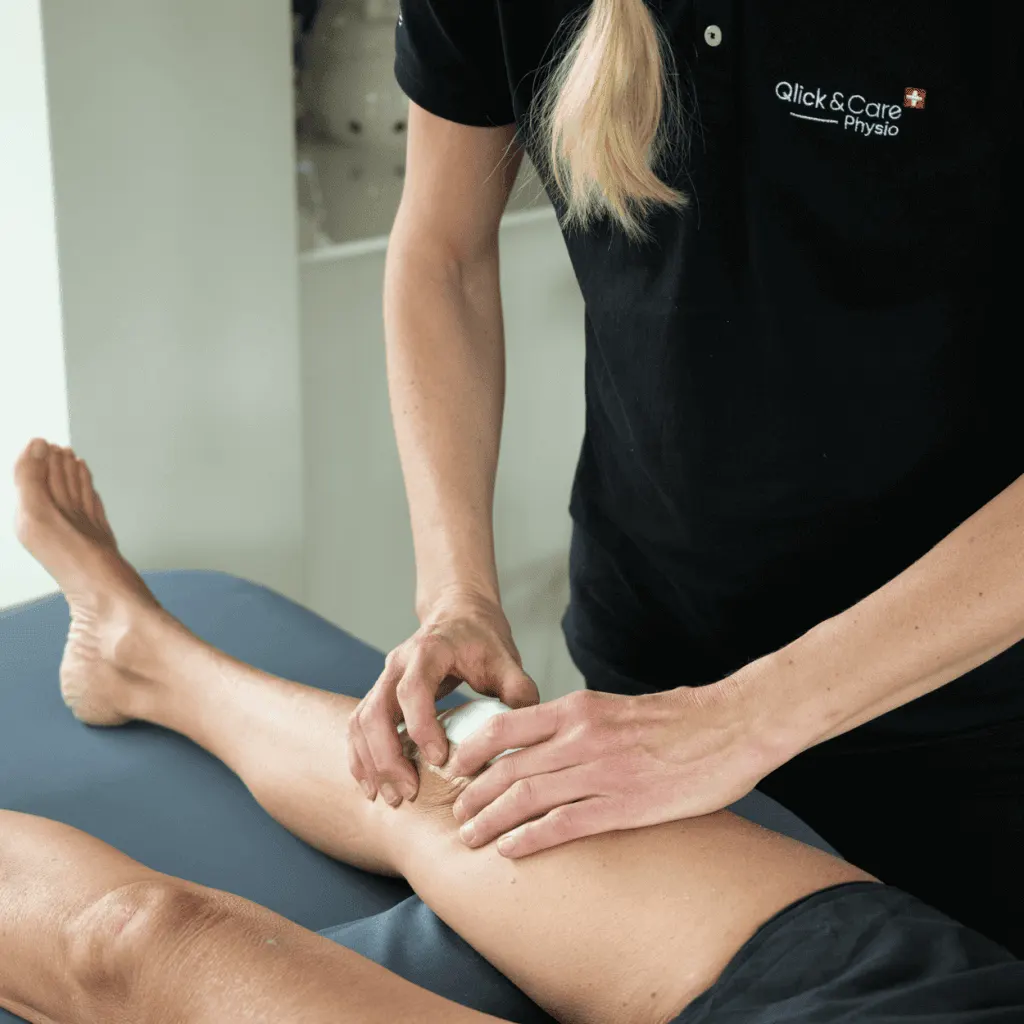
Pre- and Post-Operative Physiotherapy
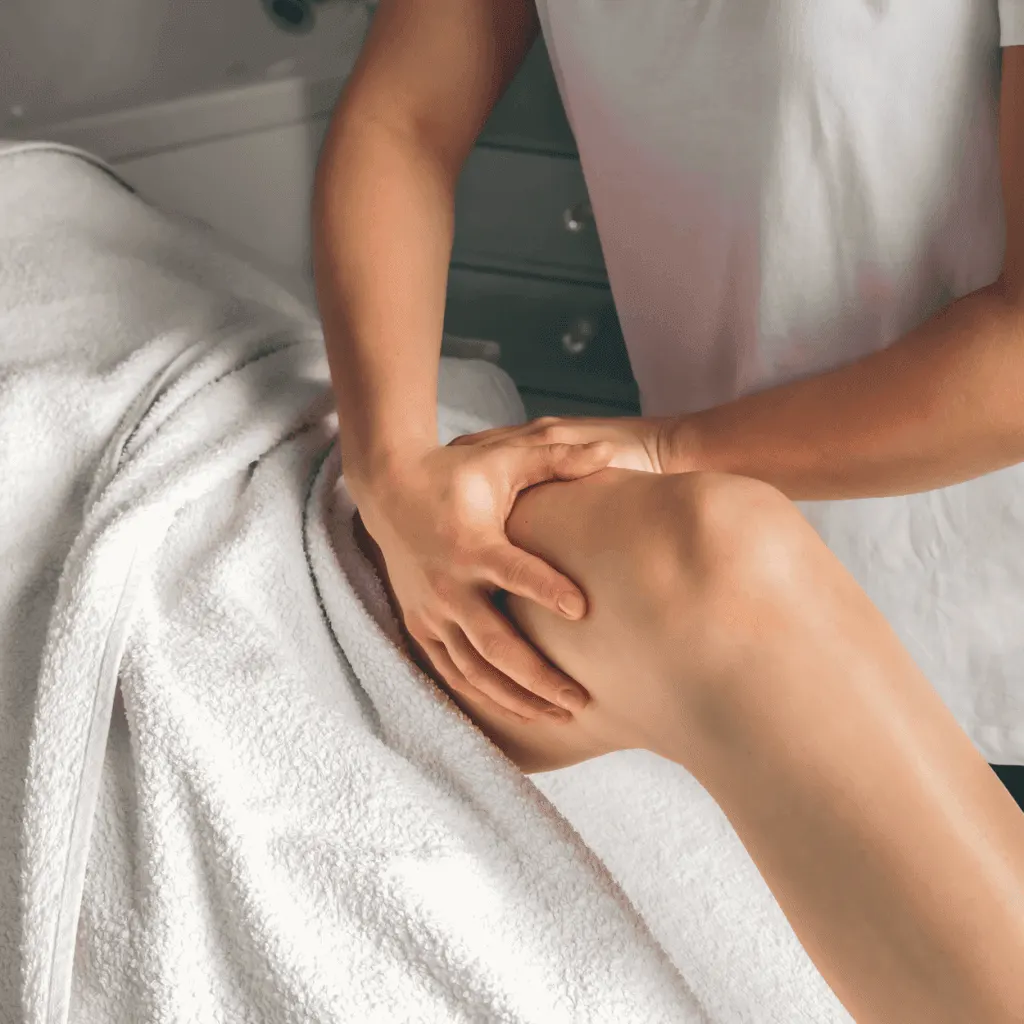
Manual lymphatic drainage
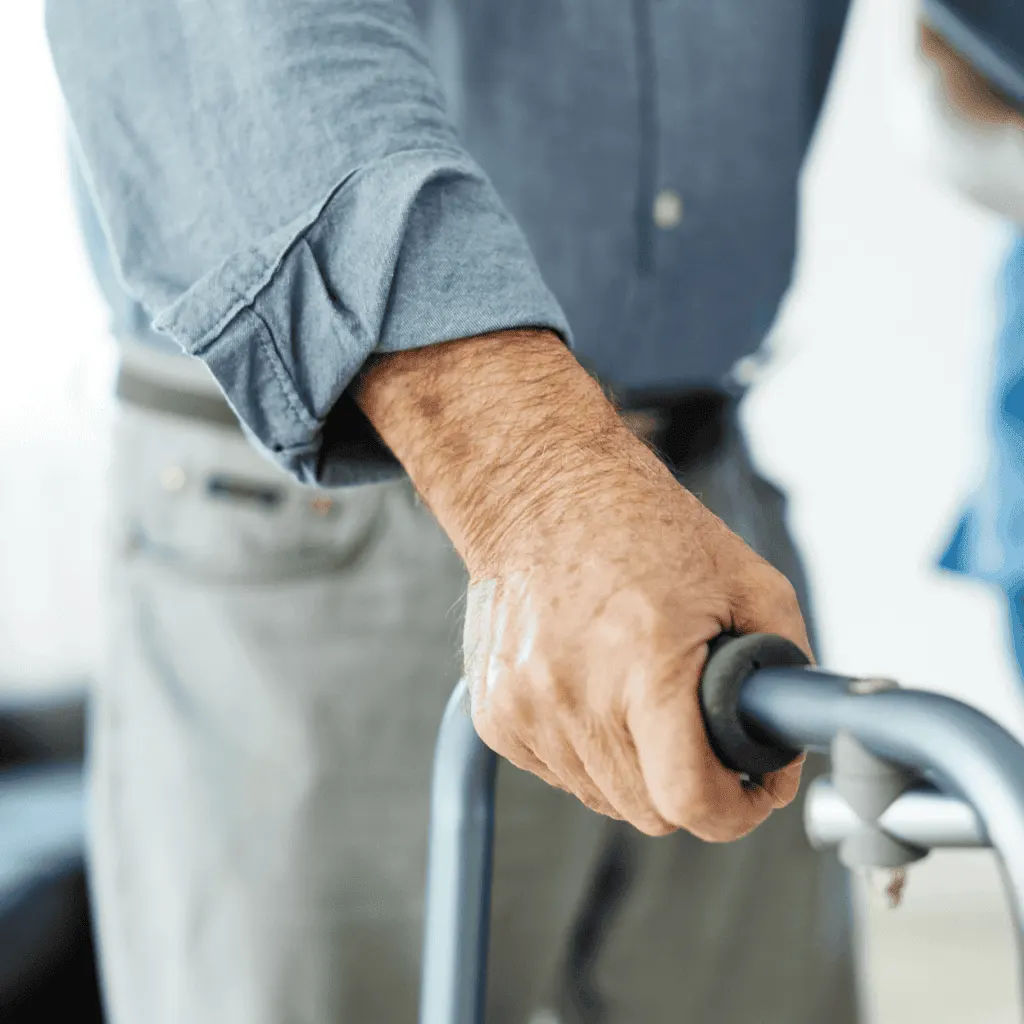
Home Care and Independence
Browse all our treatments
How does treatment work?
Online appointment booking
Home assessment
Personal treatment plan
Monitoring and progress
Resources & advice
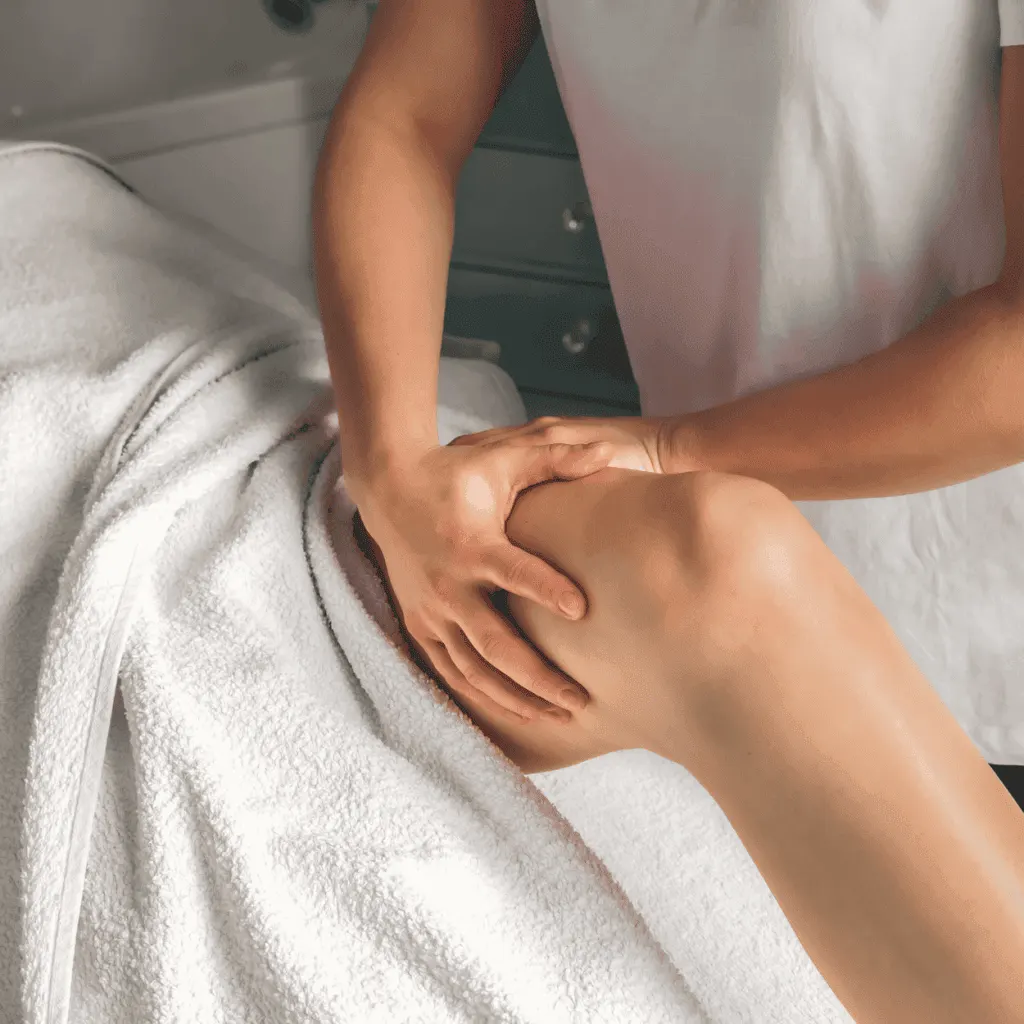
Manual Lymphatic Drainage: Origins and Benefits
Browse all our articles
Questions you might have
What is post-surgical rehabilitation at home, and who is it for?
After an operation — joint replacement, ligament surgery, abdominal or thoracic surgery, for example — rehabilitation is an essential step in regaining mobility and muscle strength. Home-based care allows recovery work to begin as soon as the patient returns home, without the constraints of traveling to a clinic.
The physiotherapist assesses the condition of the tissue, the scar, residual pain, joint range of motion, muscle recovery, and your functional abilities, then develops a progressive program: drainage, gentle mobilization, strengthening exercises, balance training, and postural advice. They coordinate their care with the surgeon’s recommendations and adjust the protocol according to clinical progress.
This approach aims to reduce the risk of complications (stiffness, muscle atrophy, vascular issues) and to promote as swift a return to independence as possible. Patients who have had surgery in Geneva or the canton of Vaud can benefit from this service as soon as they leave the clinic.
Can rehabilitation be performed at home after a hip or knee replacement?
Total hip or knee replacement requires rigorous rehabilitation to ensure proper implant integration and restore joint function. Home physiotherapy offers the advantage of taking place in the patient’s actual environment, allowing exercises to be directly adapted to their daily living space: stairs, bathroom, and kitchen.
During the initial sessions, the physiotherapist focuses on gentle joint mobilization, pain and edema management (massage, drainage), and muscle reactivation of the quadriceps, hamstrings, and gluteal muscles. A progressive gait rehabilitation program is established, taking into account the restrictions set by the surgeon.
As recovery progresses, the exercises increase in intensity: muscle strengthening, single-leg balance, climbing and descending stairs, and resuming activities of daily living. The objective is to achieve full functional autonomy within timeframes that comply with the medical protocols currently in force in Switzerland.
What is manual lymphatic drainage, and who is it for?
Manual lymphatic drainage (MLD) is a gentle massage technique developed by Dr Emil Vodder. It aims to stimulate the circulation of stagnant lymphatic fluid and reduce abnormal tissue swelling. Performed by a physiotherapist trained in this approach, it is often part of a complete decongestive therapy protocol.
The main indications include secondary lymphoedema after cancer treatment (lymph node dissection, radiotherapy), primary lymphoedema, lipoedema, and persistent post-traumatic or post-operative oedema. At home, the physiotherapist can provide regular care without requiring the patient to travel frequently, which is particularly valuable when swelling makes walking uncomfortable.
Sessions are carried out gently: the therapist applies rhythmic pressure and very light strokes to the skin, following the path of the lymphatic collectors. Compression bandaging or compression stockings may complement the treatment between sessions. The physiotherapist also teaches the patient self-drainage techniques to maintain the benefits of treatment on a daily basis.
Is home physiotherapy suitable for rehabilitation after surgery?
The post-operative period is often when home physiotherapy provides the greatest value. After a hip or knee replacement, back surgery, or surgery to the shoulder, hand, or foot, travelling to a clinic is painful, tiring, and logistically complex. Having the physiotherapist come to your home removes this constraint and allows rehabilitation to begin without delay as soon as you return home.
With a prescription from your surgeon or primary care physician, our practitioners provide rehabilitation by following the post-operative protocols shared by the hospital team. If necessary, they maintain regular communication with your surgeon to adjust the intensity and progression of the programme.
At home, rehabilitation is particularly tailored to your context: we work directly on the movements of your real daily life—climbing your specific stairs, getting out of your own bed, using your bathroom facilities. This practical approach significantly speeds up the return to independence and reduces the risk of complications related to post-operative inactivity.
Is home physiotherapy covered by basic insurance?
Basic insurance covers physiotherapy once a doctor has issued a prescription. After 9 sessions, an invoice is issued and sent directly to your insurance company.
The costs related to your physiotherapist’s travel to your home are covered by your basic insurance, provided the prescription includes the mention “at home.” Your health insurer settles the sessions after deducting your annual deductible and your co-payment.
If you have any uncertainty about your specific coverage, we recommend contacting your insurer before starting treatment, to avoid any unpleasant surprises.