A spinning sensation, loss of balance, or fear of falling? Dizziness and balance disorders are common in older adults and can affect their confidence when moving around.
Good news: depending on their cause, these disorders can benefit from specific treatments and appropriate rehabilitation.
Find out how vestibular physiotherapy can help you regain stability, confidence, and independence in everyday life.
Dizziness and balance disorders: what are we talking about?
Our balance relies on the collaboration of several systems: vision, information from muscles and joints, and the vestibular system, located in the inner ear.
Together, they enable our brain to know the position of our body in space and to adjust our movements.
With age, certain changes in these systems can promote the onset of different sensations:
- Vertigo: a sensation of movement or spinning, as if the room were turning around you.
- Unsteadiness: a feeling of imbalance, particularly while walking.
- Lightheadedness: a feeling of a light head or faintness, sometimes experienced when standing up.
These sensations can have different causes. Identifying them is an essential step in offering appropriate care.
What are the most common causes?
Several factors can explain the onset of dizziness or balance disorders in older adults.
Benign paroxysmal positional vertigo (BPPV)
This is one of the most common causes of vertigo.
Small crystals naturally present in the inner ear, called otoconia, can move into the semicircular canals, which contribute to the perception of head movements.
This phenomenon can cause brief spinning sensations with certain movements, for example when turning over in bed, looking up, or bending down.
Changes in the vestibular system
With age or following certain inner ear conditions, the information transmitted to the brain may become less precise. This can in particular lead to a feeling of unsteadiness when moving around.
Other everyday factors
A drop in blood pressure when standing up, certain medications, as well as changes in vision and foot sensation can also contribute to feelings of imbalance.
An assessment helps to better understand the origin of the symptoms and to guide you toward appropriate care.
How can vestibular physiotherapy help?
Vestibular physiotherapy is a specialty focused on dizziness and balance disorders.
It is based on specific techniques and exercises, chosen according to the cause of the symptoms and each patient’s abilities.
Repositioning manoeuvres
When BPPV is present, a trained physiotherapist can perform specific manoeuvres, such as the Epley manoeuvre.
These precise head and body movements help reposition the crystals responsible for vertigo.
This treatment can provide rapid relief, sometimes from the very first session.
Gaze-stabilization exercises
Some exercises combine head movements with fixation on a visual target.
They aim to improve gaze stability during movement and to promote adaptation of the vestibular system.
Balance and walking training
Progressive exercises help train stability in different situations: standing, while walking, during changes of direction, or on different types of surfaces.
Depending on your needs, the program may also include muscle strengthening and functional exercises.
The goal is to gradually regain more comfortable mobility, better stability, and greater confidence.
Why is working on balance important?
Balance disorders can gradually change certain lifestyle habits.
For fear of falling, some people limit their mobility, outings, or daily activities.
However, maintaining appropriate physical activity is essential to preserve functional abilities and independence.
Scientific research shows that programs combining balance exercises and functional activities help reduce the risk of falls in older adults.
In physiotherapy, these exercises are adapted to each person’s abilities to support steady and safe progress.
A few tips to maintain your balance in everyday life
Some simple habits can help make getting around more comfortable:
- Take your time when getting up: move gradually from lying down to sitting, then standing.
- Adapt your environment: ensure sufficient lighting, keep walkways clear, and secure rugs.
- Choose appropriate footwear: wear stable, comfortable shoes with good grip.
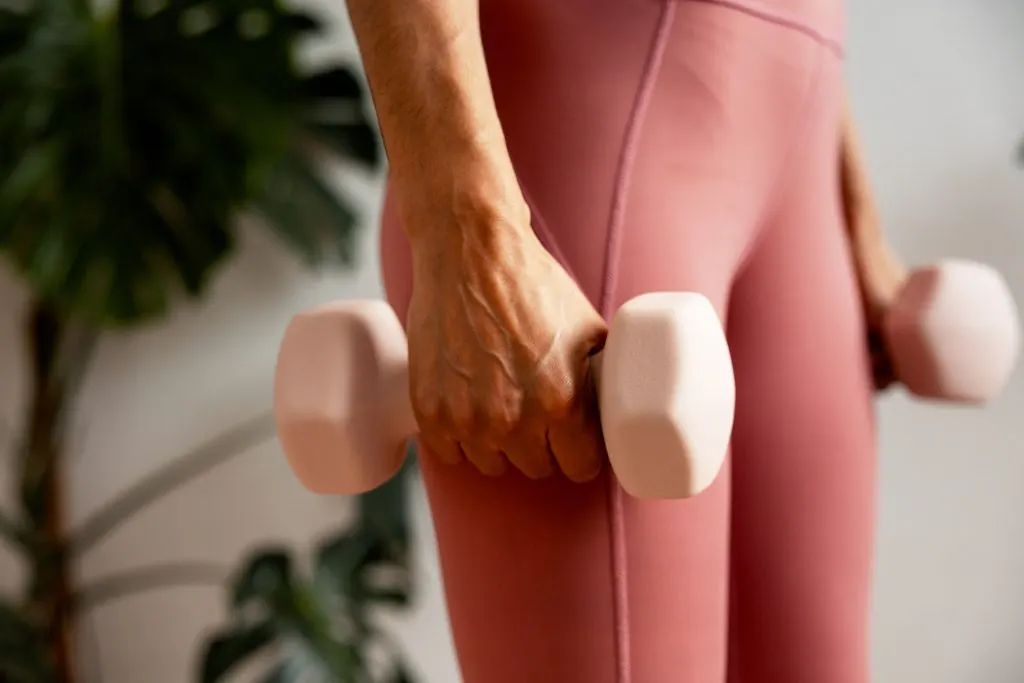
- Maintain your mobility: regularly do appropriate physical activity, combined with balance and strengthening exercises.
- Use a walking aid if necessary: a properly adjusted cane or walker can make getting around easier.
A physiotherapist can support you in choosing the most relevant exercises and adjustments for your daily life.
What do scientific studies say?
Vestibular physiotherapy is supported by strong scientific recommendations for several vestibular system disorders.
International guidelines notably recognize the effectiveness of repositioning manoeuvres in the treatment of BPPV.
For people with reduced peripheral vestibular function, specific rehabilitation programs can improve gaze stability, balance, and functional abilities.
Research also shows that balance exercises and functional activities help reduce the risk of falls in older adults.
The key to effective care is a precise assessment and exercises tailored to the cause of the symptoms.
When should you consult?
Repeated dizziness, unusual unsteadiness, or increasing difficulty moving around warrant an assessment by a healthcare professional.
A consultation helps identify the cause and determine whether vestibular rehabilitation is indicated.
In the event of sudden dizziness associated with significant difficulty standing, speech or vision problems, weakness in a limb, or a sudden, severe headache, contact emergency services immediately (144 in Switzerland).
Vestibular physiotherapy at Qlick and Care
At Qlick and Care, our physiotherapists trained in vestibular rehabilitation support you at home in Geneva and in the Lausanne metropolitan area.
Home-based care makes it possible in particular to work on balance and walking in your usual environment, with exercises adapted to your day-to-day movements.
A specialist vestibular rehabilitation centre in Carouge
Qlick and Care also has a vestibular centre in Carouge, equipped to carry out specialised assessments and provide rehabilitation tailored to different vestibular disorders.
This complementarity between home visits and centre-based care makes it possible to organise support according to each patient’s needs.
Would you like to regain confidence in your mobility?
Our teams are here to listen and guide you toward personalised care.
Scientific references
Bhattacharyya, N., Gubbels, S. P., Schwartz, S. R., Edlow, J. A., El-Kashlan, H., Fife, T., Holmberg, J. M., Mahoney, K., Hollingsworth, D. B., Roberts, R., Seidman, M. D., Steiner, R. W. P., Do, B. T., Voelker, C. C. J., Waguespack, R. W., & Corrigan, M. D. (2017). Clinical practice guideline: Benign paroxysmal positional vertigo (update). Otolaryngology–Head and Neck Surgery, 156(3_suppl), S1–S47. https://doi.org/10.1177/0194599816689667
Hall, C. D., Herdman, S. J., Whitney, S. L., Anson, E. R., Carender, W. J., Hoppes, C. W., Cass, S. P., Christy, J. B., Cohen, H. S., Fife, T. D., Furman, J. M., Shepard, N. T., Clendaniel, R. A., Dishman, J. D., Goebel, J. A., Meldrum, D., Ryan, C., Wallace, R. L., & Woodward, N. J. (2022). Vestibular rehabilitation for peripheral vestibular hypofunction: An updated clinical practice guideline from the Academy of Neurologic Physical Therapy of the American Physical Therapy Association. Journal of Neurologic Physical Therapy, 46(2), 118–177. https://doi.org/10.1097/NPT.0000000000000382
Sherrington, C., Fairhall, N. J., Wallbank, G. K., Tiedemann, A., Michaleff, Z. A., Howard, K., Clemson, L., Hopewell, S., & Lamb, S. E. (2019). Exercise for preventing falls in older people living in the community. Cochrane Database of Systematic Reviews, 2019(1), Article CD012424. https://doi.org/10.1002/14651858.CD012424.pub2